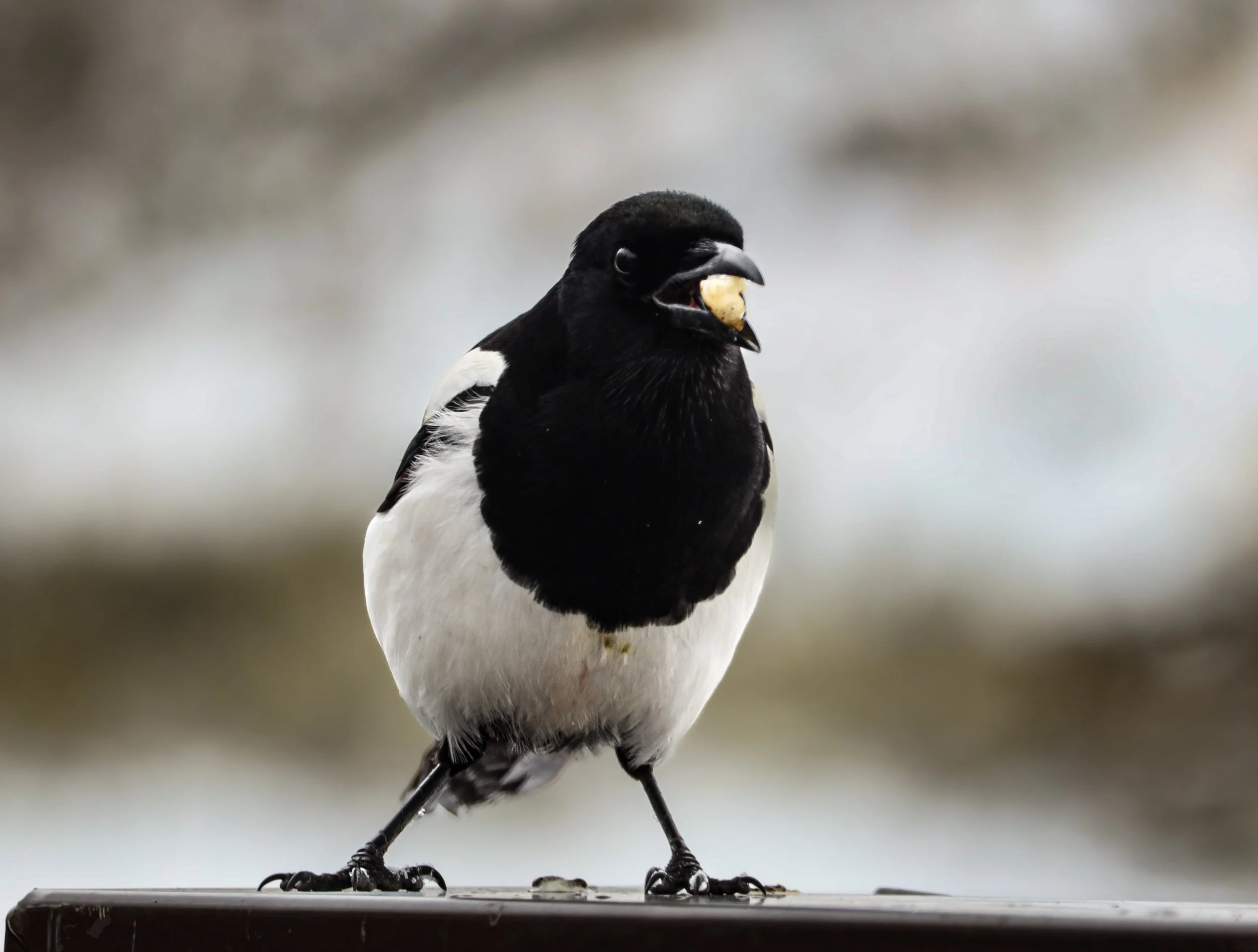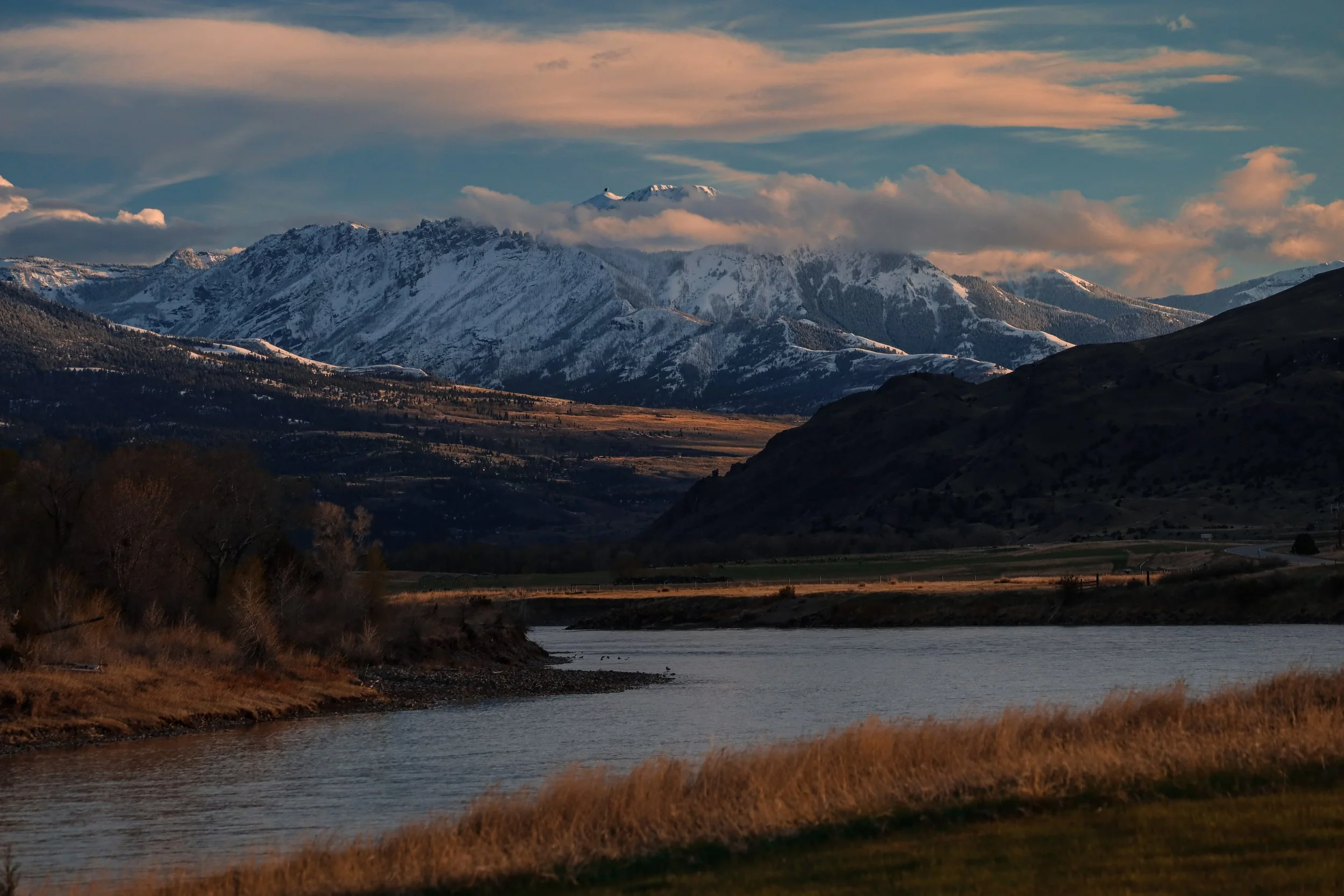
People arrive in Yellowstone hoping to see something they have never seen before. A wolf moving across an open hillside. A grizzly turning stones in a meadow. A bull moose standing among the willows. For some, the anticipation began months before they reached the park, with a photograph or a story that made them want to come.
As a wildlife guide and photographer, I understand that anticipation. There is a particular excitement in finding an animal you have been searching for, bringing it into focus, and watching someone beside you see it for the first time.
Then the photograph is taken.
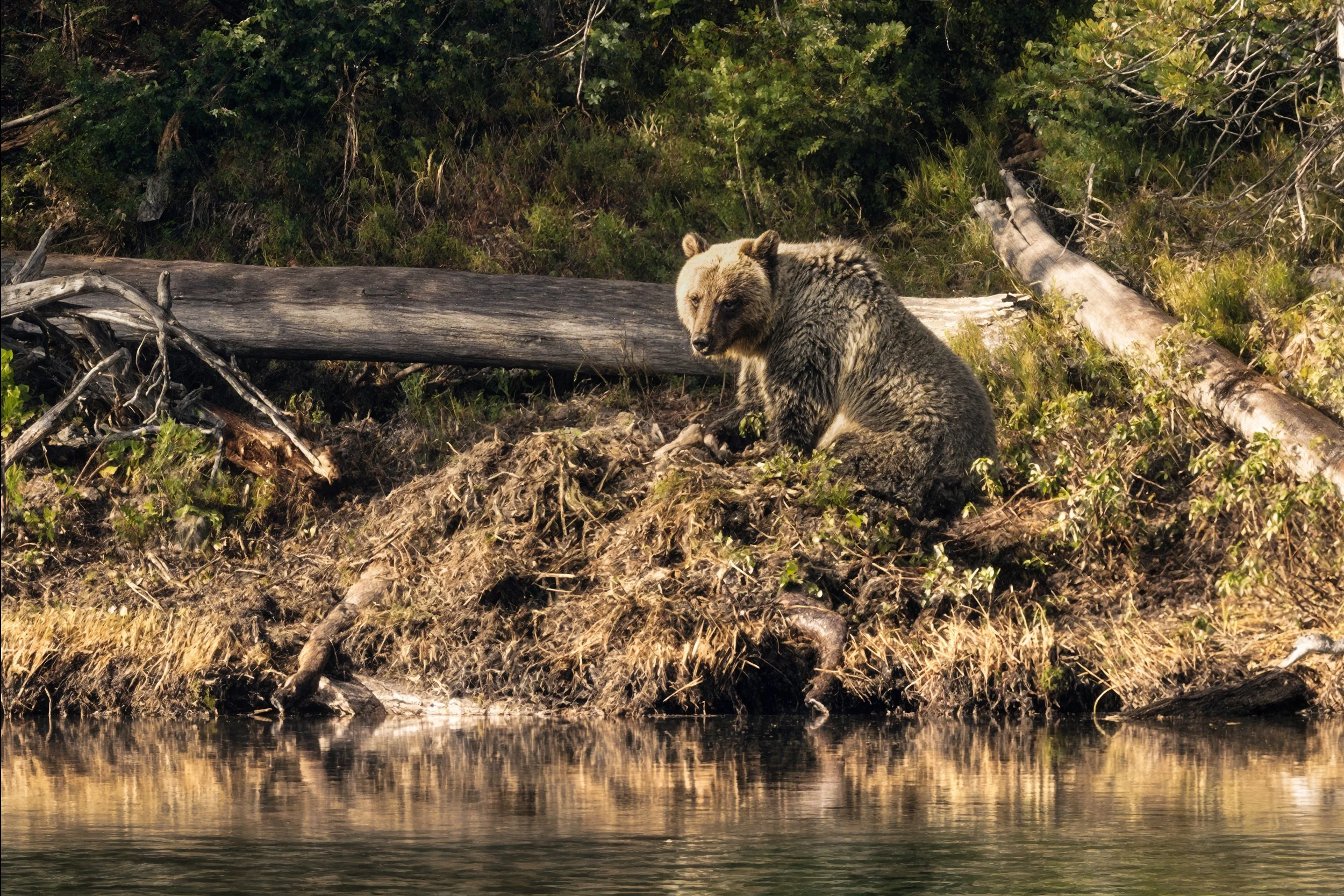
The camera lowers. Someone checks the image. And for many, attention begins to turn toward what might be around the next bend because of their limited time in the park. But there is still a great deal of Yellowstone just waiting to be discovered between the big sightings.
The Yellowstone Between Sightings
I regularly remind my guests that Yellowstone is not a zoo. None of the animals are in cages, and we cannot control their movements. We can study the landscape, follow tracks and signs, and spend time searching places that offer promising habitat. The animals still move on their own terms. There are days when it seems as though all the wildlife is hiding.
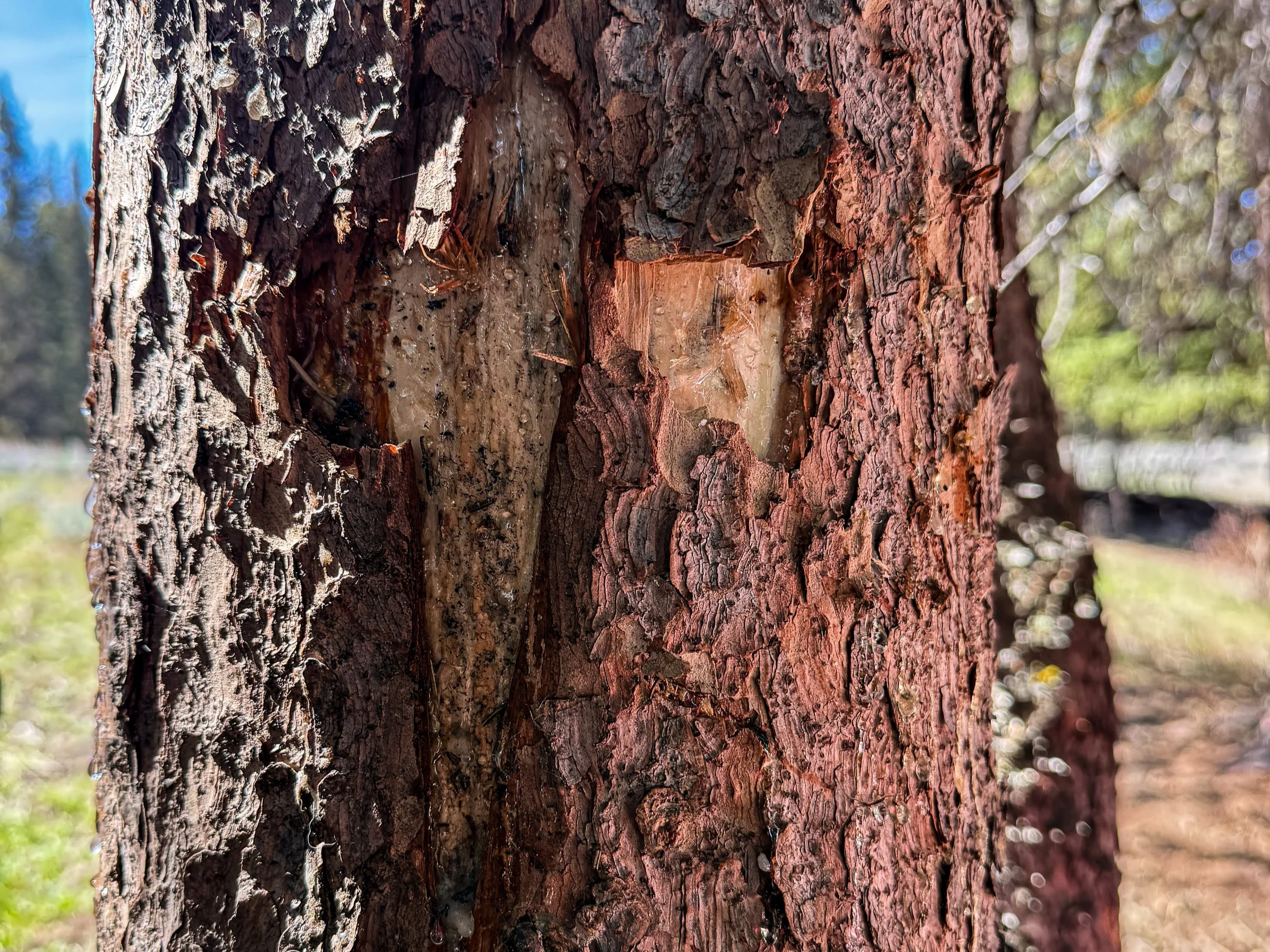
On those days, I encourage my guests to slow down and pay attention to the finer details. We look for tracks and scat that might help us locate an elusive wolf or bear. We examine scrape marks left by hoofed animals on trees. Even when the animal itself remains out of sight, there is evidence of its presence to consider.
A track gives us something tangible to investigate. What made it? Which direction was it traveling? How clearly has the ground preserved its shape? Searching becomes an opportunity to learn how to read what an animal has left behind.
We also shift our attention toward birds and smaller mammals. A ground squirrel or a yellow-bellied marmot can hold our attention as we follow its movements and behavior. We spend time with the wildlife in front of us, allowing curiosity to guide the encounter.
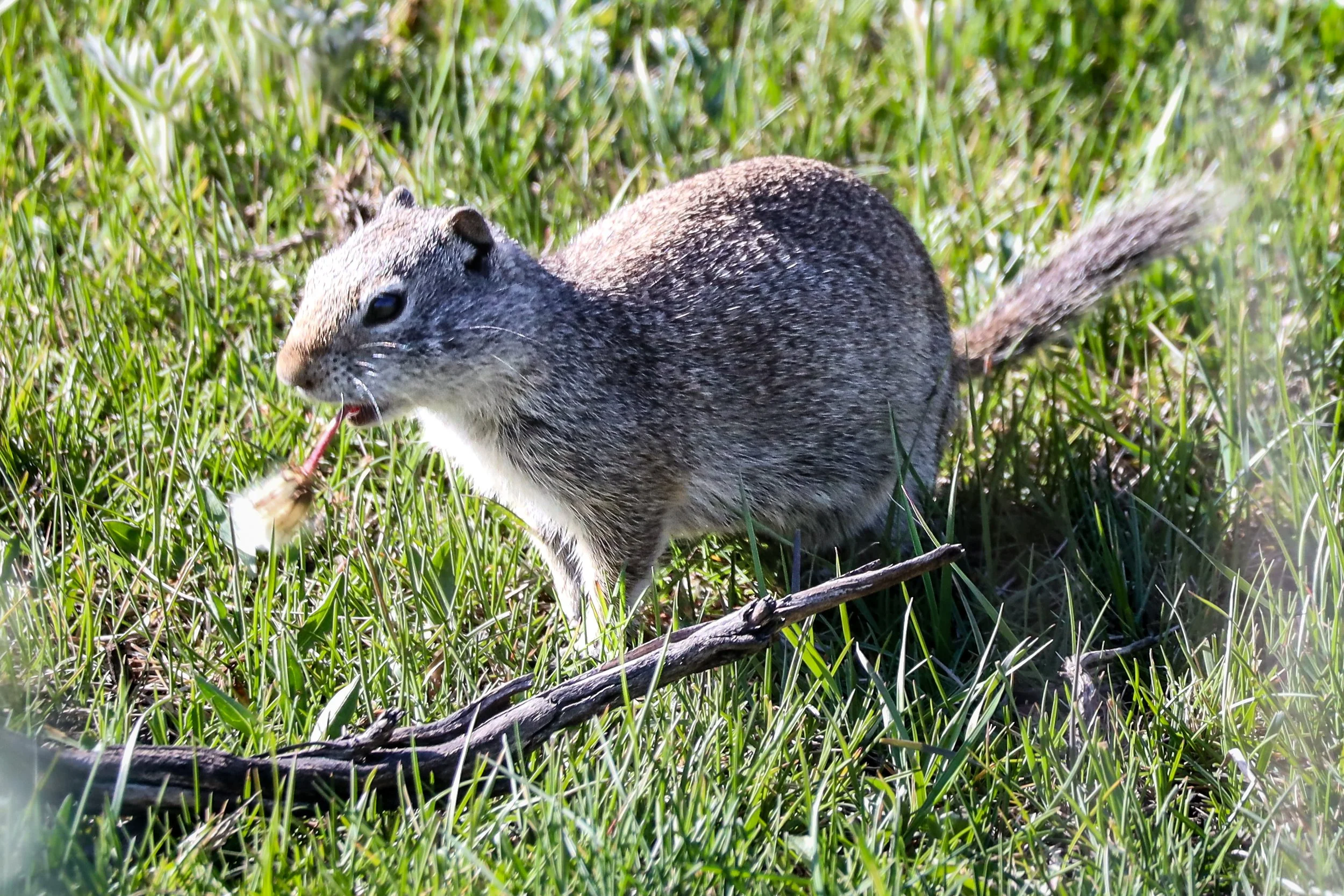
That change in attention can open up the day. Instead of continually scanning for a distant bear, we begin looking more closely at our immediate surroundings. A mark on a tree becomes a reason to stop. Movement near the ground holds our attention. There are questions to explore even while the wolf remains somewhere beyond our view.
What Guiding Taught Me to Notice
Guiding has taught me how much the experience depends on where we place our attention. I still look for the wolf on the hillside and the bear moving through the meadow. I know what those encounters can mean to someone who has traveled a long way to be here. Those sightings will always be my priority and helping guests find those animals is a rewarding part of my work.
So is helping them discover something they had not thought to look for.
When sightings are scarce, I have an opportunity to share the process of searching: examining tracks, considering signs, and paying attention to smaller animals along the way. Guests can take part in that process. They can ask questions, offer observations, and begin making their own connections between an animal and the place it lives.
There is always uncertainty in wildlife guiding. Some days, the animal we hope to find stays out of sight. That uncertainty belongs to the experience of watching wild animals, and it asks us to remain curious about whatever the day offers.
A photograph gives us something to carry home. The attention we practice while making it—and in the hours between sightings—helps to tell the whole story.